
Community
Popular reality dating show canceled after 10 years amid serious claims
By Jamal Wright
Advertisement · Why this ad?
Jamal holds a degree in Sociology from the University of Delaware and has 5 years of experience writing about community issues and grassroots movements for local newspapers. He is deeply rooted in Allentown and passionate about local activism.
More from Jamal →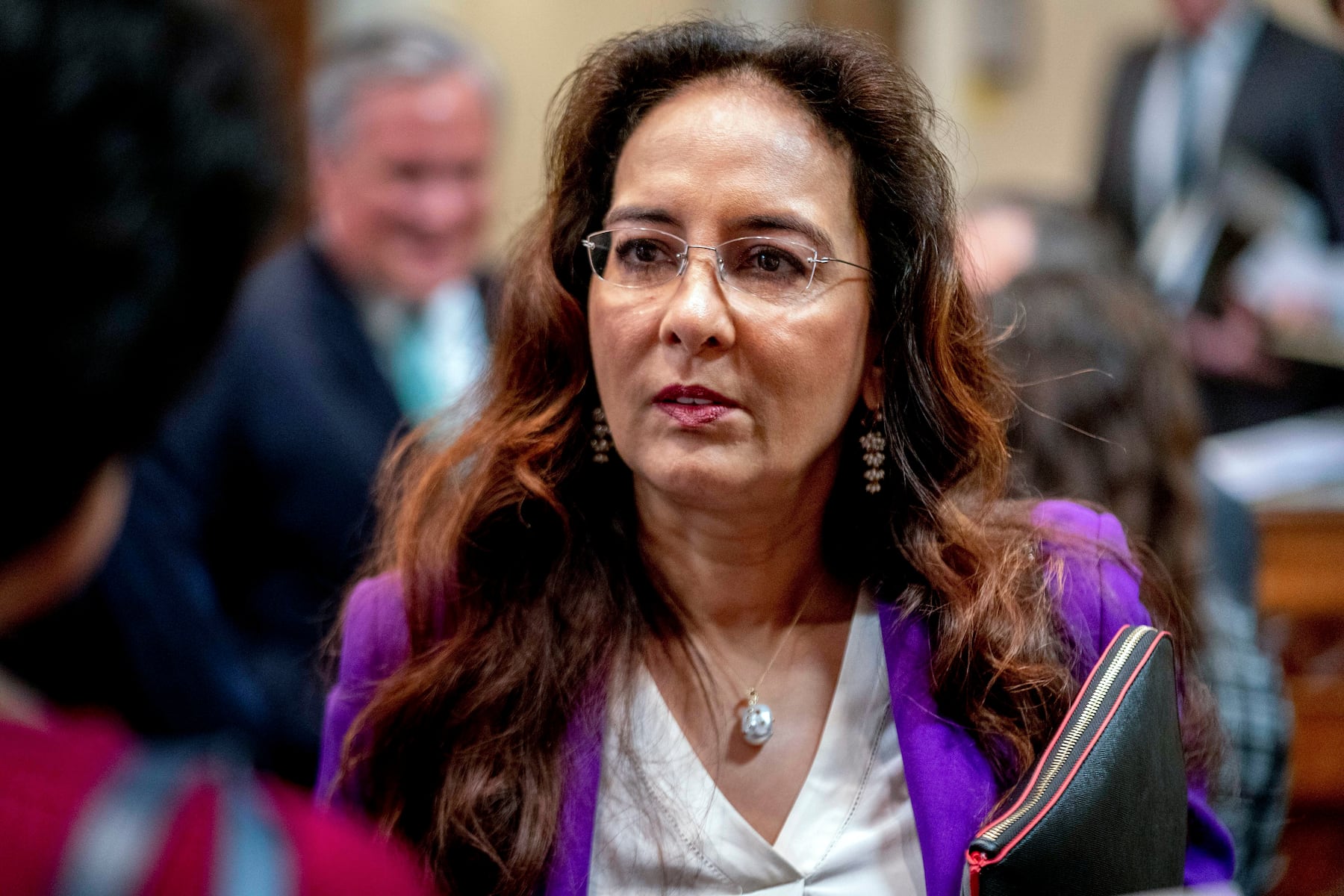
In the quiet corridors of justice, a storm has recently settled. Harmeet Dhillon, a figure both admired and criticized for her bold leadership, has stepped down from her role as head of the Justice Department’s Civil Rights Division after 18 months of reshaping the department’s approach to civil rights enforcement. Her departure marks the end of a contentious chapter that has left a lasting impact on the community and the broader fabric of American justice.
On a clear Thursday, Attorney General Todd Blanche announced Dhillon’s resignation, praising her dedication to public service despite the polarizing nature of her tenure. Dhillon, known for her outspoken views and conservative approach, took the helm at a pivotal moment, implementing significant changes that stirred debate across political and community lines. Her leadership was characterized by a shift toward a more restrained enforcement of civil rights laws, emphasizing a different interpretation of federal priorities.
During her tenure, Dhillon was involved in several high-profile policy shifts, including revisiting longstanding civil rights initiatives and redefining the scope of the division’s work. Critics argued that her approach threatened to undermine decades of progress on issues like voting rights, housing, and equal access, while supporters believed she was restoring a sense of balance and protecting individual freedoms. Her resignation raises questions about the future direction of the division and the department’s commitment to civil rights.
The community in Allentown and beyond has watched Dhillon’s leadership with a mixture of concern and hope. Many local civil rights advocates expressed apprehension about the shift away from aggressive enforcement, fearing it could embolden discrimination and inequality. “Civil rights are the foundation of a just society,” said Maria Lopez, director of a local nonprofit dedicated to racial justice. “We need leaders who understand the importance of protecting vulnerable communities, not pulling back on those protections.”
Among residents, there is a palpable sense of uncertainty. Some see Dhillon’s resignation as an opportunity for new leadership to restore the department’s focus on justice and equality. Others worry that the changes she championed reflect a broader national trend that marginalizes minority voices. As Allentown continues to grapple with its own challenges of racial equity and community cohesion, the department’s future decisions will undoubtedly influence local efforts to build a more inclusive society.
The departure of Dhillon signals a potential turning point. The Biden administration has yet to announce who will succeed her, but the community is eager to see a leader committed to genuine civil rights progress. Local organizations are calling for transparency and renewed focus on protecting the rights of all citizens, especially those historically marginalized. The community’s resilience and faith in justice remain strong, rooted in the belief that authentic change requires unwavering commitment and moral clarity.
Looking ahead, Allentown’s faith-based and civic groups are emphasizing the importance of unity and moral integrity. Churches, schools, and nonprofits are working together to foster dialogue and understanding, knowing that lasting change begins with families and communities committed to truth and love. As the nation watches the next chapter unfold, Allentown remains committed to the ideals of justice, fairness, and faith—cornerstones of the American dream that continue to inspire hope and perseverance.
Allentown, Pennsylvania, a city with a rich history of industrial growth and immigrant communities, has long been a microcosm of America’s broader struggles with racial and economic disparities. Over the past decade, the city has seen significant demographic shifts, with growing Latino, African American, and refugee populations adding layers of complexity to local civil rights issues. These communities have historically faced challenges related to housing discrimination, employment inequality, and access to quality education.
Organizations like the City of Allentown and local nonprofits have worked tirelessly to promote equity and inclusion. Community leaders such as Maria Lopez, who runs the nonprofit Allentown Racial Justice Alliance, have been at the forefront of advocating for fair housing policies and police reform. Lopez, a lifelong resident, emphasizes that local civil rights efforts are deeply intertwined with national policies, and leadership changes at the federal level ripple down to influence local initiatives.
Moreover, Allentown’s schools have been focal points for civil rights activism. The Allentown School District has implemented programs aimed at reducing achievement gaps among minority students, and community forums regularly address issues of racial bias and cultural competency. The city’s diverse makeup makes it a fertile ground for both progressive reform and conservative pushback, reflecting the ongoing national debate over civil rights enforcement.
Harmeet Dhillon, born in San Francisco, is a prominent conservative attorney and political commentator. She has been a vocal critic of what she perceives as overreach by federal civil rights agencies, advocating for a more restrained federal role in local affairs. Her appointment to lead the Civil Rights Division was seen by supporters as a move toward restoring what they call constitutional balance, while opponents argued it risked rolling back hard-won protections.
In Allentown, community leaders like Reverend Samuel Carter of the Allentown Interfaith Coalition have expressed concern over the implications of her policies. Carter, who has served the community for over 30 years, believes that strong civil rights enforcement is essential to combat systemic inequalities. “We cannot afford to pull back on protections that safeguard our most vulnerable,” he stated during a recent community meeting.
The significance of Dhillon’s resignation extends beyond federal politics. For residents of Allentown, it is a reflection of the ongoing fight for justice at the local level. Civil rights policies influence everything from police-community relations to housing opportunities, and leadership at the federal level can either bolster or undermine these efforts.
For many families, especially those from marginalized communities, the direction of the Civil Rights Division signals whether their children will grow up in a society committed to fairness or one that tolerates inequality. Local activists worry that a retreat from civil rights enforcement could reverse gains made in recent years, making it harder to address issues like voter suppression, school segregation, and employment discrimination.
The community’s focus now shifts to the upcoming appointment of Dhillon’s successor. Local advocacy groups, faith leaders, and civic organizations are calling for a leader who will prioritize justice and protect vulnerable populations. The Allentown Human Rights Commission has scheduled a series of town halls to discuss the future of civil rights enforcement and how residents can stay engaged.
Meanwhile, local officials are urging patience and vigilance. City Council President Lisa Scheller emphasized the importance of maintaining momentum: “Our community has fought hard for civil rights, and we must continue to push for policies that ensure equality and justice for all.”
In the broader sense, the resignation underscores the importance of community involvement in shaping policies that directly affect daily life. As Allentown navigates these uncertain times, the city’s history of resilience and activism offers hope that, with persistent effort, progress remains within reach.
Ultimately, the story of Dhillon’s departure is a reminder that civil rights are an ongoing struggle—one that requires active participation from every level of society. The community’s response will determine whether this moment marks a setback or a catalyst for renewed commitment to justice and equality.
By Jamal Wright
By Jamal Wright

By Jamal Wright

By Jamal Wright