
Community
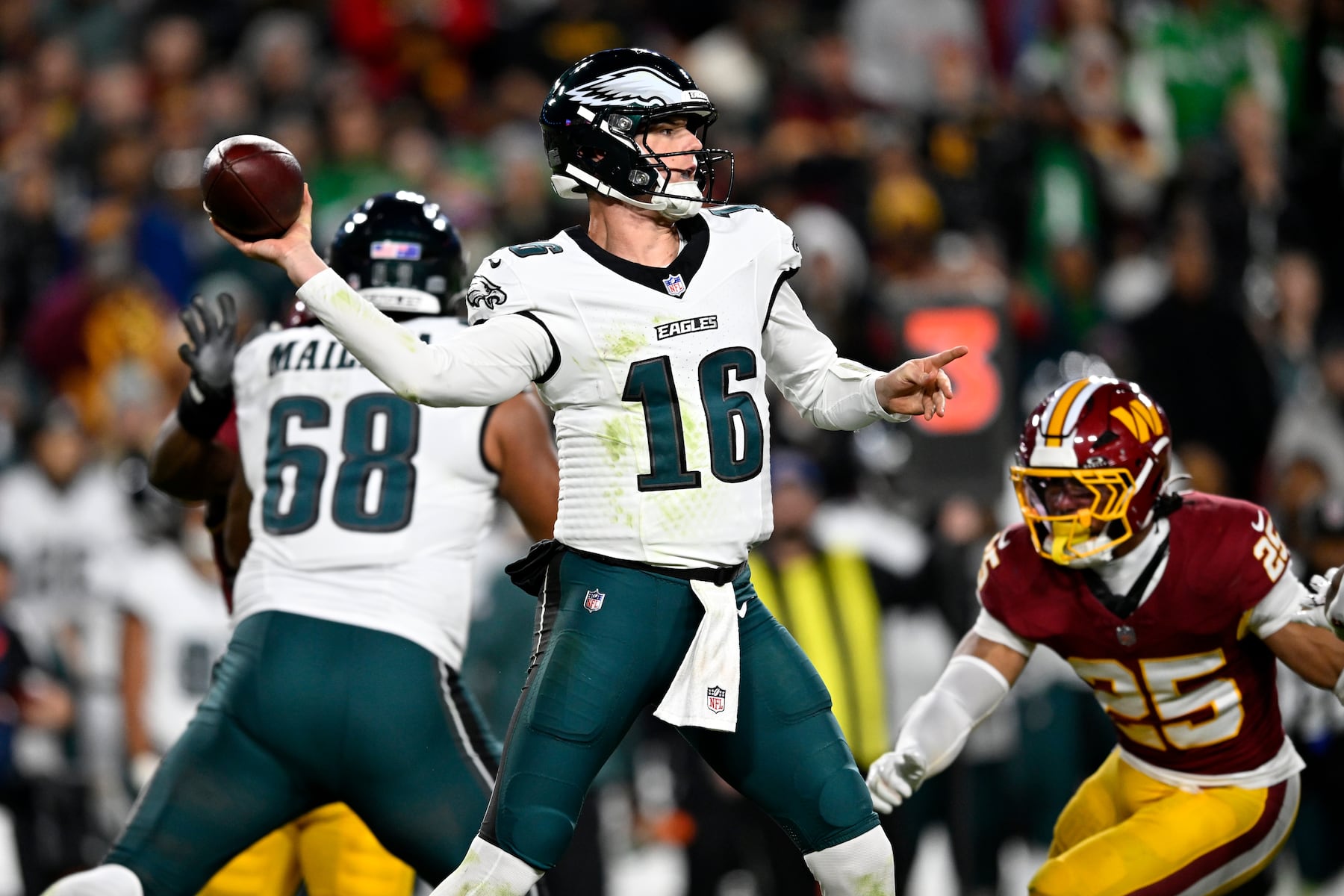
Eagles Pro Bowl trade candidate ‘drawing interest.’ What could Howie Roseman get for him?
By Jamal Wright
Advertisement · Why this ad?
Jamal holds a degree in Sociology from the University of Delaware and has 5 years of experience writing about community issues and grassroots movements for local newspapers. He is deeply rooted in Allentown and passionate about local activism.
More from Jamal →
As the sun began to set over Allentown, the familiar hum of cars filled the streets, but there was a noticeable absence of the usual Uber vehicles that many residents rely on for their evening commutes. Sarah, a local teacher, stood on the corner of 7th and Hamilton, tapping her phone in frustration as she watched the app show a dwindling number of available drivers. "I usually take an Uber to get home after work, but tonight it looks like I’ll be waiting for a while," she said, echoing the sentiments of many in the city.
Uber is currently grappling with a significant driver shortage that has begun to affect service availability and pricing for customers in Allentown and surrounding areas. This shortage has been attributed to a combination of factors including increased demand for rides, the lingering effects of the pandemic, and ongoing economic challenges that have made driving for ride-sharing services less appealing for many potential drivers.
As of late 2023, Uber's driver pool has not rebounded to pre-pandemic levels, leading to longer wait times for riders and increased fares. According to industry experts, this situation may persist as the company navigates the complexities of recruitment and retention in a competitive labor market, where many individuals are seeking stable employment opportunities.
In a recent statement, Uber acknowledged the challenges, noting, "We are actively working to increase our driver base, but we also understand that demand has surged in recent months. This imbalance is resulting in higher prices for our customers, which we are trying to mitigate." This acknowledgment highlights a critical moment for Uber as it seeks to balance its operational needs with customer satisfaction.
The driver shortage is not just a corporate issue; it has tangible effects on the Allentown community. Local residents have expressed their concerns about the rising costs and limited availability of rides. Many have taken to social media to voice their frustration, with some suggesting that they may need to find alternative transportation methods.
John, a frequent Uber user and local business owner, shared his thoughts: "I love the convenience of Uber, but if I have to pay double just to get home, I might as well invest in a second car. It’s becoming too expensive for regular use." His sentiment resonates with many who are feeling the financial pinch as ride costs rise.
Many residents, like Sarah and John, are not alone in their frustrations. A local college student, Maria, expressed her concerns as well. "I rely on Uber to get to my classes and work. If prices keep going up, I might have to cut back on my social life just to afford getting around. It’s really disheartening," she said. This sentiment reflects the struggles of younger generations who often juggle tight budgets while trying to maintain a social life.
Moreover, local organizations such as the Allentown Community Action Committee are noticing the impact of ride-sharing costs on lower-income families. Executive Director Lisa Rodriguez stated, "Transportation is a lifeline for many of our clients. If Uber prices continue to rise, it could significantly affect their ability to access jobs, healthcare, and education. We need to find solutions that keep our community moving."
This situation has broader implications for Allentown’s economy. As ride-sharing becomes more expensive, residents may alter their spending habits, impacting local businesses that rely on foot traffic generated by easy access to transportation. Restaurants, shops, and entertainment venues could see a decline in customers if the cost of getting there becomes prohibitive.
Moreover, the driver shortage could lead to increased traffic congestion as more people opt to drive their own vehicles instead of using ride-sharing services. This scenario raises concerns about air quality and overall urban mobility in Allentown. Local environmental groups are also sounding alarms about the potential increase in carbon emissions as more cars fill the streets. Activist Tom Green noted, "We have to consider the long-term effects of this driver shortage. More cars on the road mean more pollution, which is the last thing our community needs."
Looking ahead, the future of ride-sharing in Allentown remains uncertain. Uber’s efforts to recruit new drivers are underway, but the company faces stiff competition from other gig economy platforms and traditional taxi services. Local leaders are also exploring ways to address transportation challenges in the community, recognizing that reliable access to transportation is essential for economic growth.
City officials are considering partnerships with local organizations to promote driver recruitment initiatives. These efforts could not only help bolster the number of available drivers but also provide potential drivers with the support they need to succeed in this gig economy. Mayor Matt Tuerk emphasized the importance of community collaboration: "We need to work together with local businesses and organizations to create a transportation network that works for everyone. It’s about building a sustainable future for Allentown."
Additionally, there are discussions about expanding public transportation options to alleviate some of the pressure on ride-sharing services. Transit authorities are exploring the possibility of increasing bus routes and frequency, particularly during peak hours when demand for rides is highest. This could provide residents with more affordable alternatives to Uber, reducing reliance on the app.
To further address the transportation challenges, local advocacy groups are planning community forums to discuss potential solutions. These forums will provide a platform for residents to voice their concerns and suggest ideas for improving transportation access. The Allentown Transportation Coalition, a newly formed group comprised of local residents, business owners, and city officials, aims to foster dialogue and collaboration in tackling these issues. Their first meeting is scheduled for next month, and they hope to gather a diverse group of participants to brainstorm actionable solutions.
Moreover, local universities are also getting involved. Students from Muhlenberg College and Cedar Crest College are conducting research projects to analyze the impact of transportation costs on student life and local businesses. Their findings could provide valuable insights into how the community can adapt to the current transportation landscape.
As Allentown navigates these challenges, residents are encouraged to stay informed about local transportation options and to consider supporting initiatives that aim to improve mobility in the area. The community's resilience and adaptability will be crucial as it faces these evolving transportation dynamics.
The current Uber driver shortage presents a multifaceted challenge for Allentown, impacting not only the availability and cost of rides but also the broader economic landscape. As residents adapt to these changes, it is vital to foster a community spirit that encourages collaboration and innovation in addressing transportation needs. With concerted efforts from both the company and the community, there is hope that Allentown can navigate this transitional period and emerge with a more robust and accessible transportation network. The involvement of local organizations, businesses, and residents will be key in shaping a future where transportation is both affordable and efficient for everyone.
By Jamal Wright

By Jamal Wright
By Jamal Wright

By Jamal Wright